【课程简介】
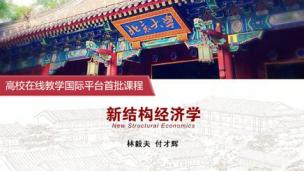
本课程以通识课的风格系统介绍新结构经济学的纲领、原理与方法,主要内容包括新结构经济学的结构范式革命、理论体系及其实践应用,分为“新结构经济学总纲”与“新结构经济学导论”两大部分,共包含23讲。新结构经济学总纲部分讲授新结构经济学对新古典经济学的结构革命;新结构经济学导论部分讲授的具体内容包括:中国与世界的经济简史及其经济结构安排多样性与经济系统复杂性概览,经济思想简史与新结构经济学的来龙去脉,新结构经济学基本原理与新结构经济学各子领域。
This course offers a systematic presentation of the principles, theories and methods of new structural economics in the style of a general education course. It will mainly cover the structural paradigm revolution about new structural economics, as well as its theoretical systems and its practical applications. The course is divided into two sections and 23 lectures (three lectures in General Principles of New Structural Economics and 20 lectures in Introduction to New Structural Economics).
This course will teach, in part, about this paradigm revolution to neoclassical economics; the specific content of this introduction to new structural economics will include (1) a brief overview of the economic histories of China and the world, as well as the diversity of their economic structures, and the complexity of economic systems, (2) a brief history of economic theories and the origins and development of new structural economics, and (3) the basic principles of new structural economics and the discipline’s sub-fields.
【授课老师】
林毅夫 教授
Professor Justin Yifu Lin
林毅夫,北京大学新结构经济学研究院教授、院长,南南合作与发展学院院长,国家发展研究院名誉院长。林毅夫于 1986 年获得美国芝加哥大学经济学博士学位,荣膺英国科学院外籍院士、发展中国家科学院(原名第三世界科学院)院士,并获得法国奥佛涅大学、美国福特汉姆大学、英国诺丁汉大学、香港城市大学、英国伦敦经济学院和香港科技大学的荣誉博士学位。1994 年创立北京大学中国经济研究中心(现北京大学国家发展研究院),并担任主任一职。2008 年被任命为世界银行首席经济学家兼负责发展经济学的高级副行长,成为担此要职的发展中国家第一人,2012 年任满返回北大,继续教学研究工作。现任中国政协常委、经济委员会副主任,国务院参事,国家“十三五”、“十四五”规划专家委员会副主席、“一带一路”国际合作高峰论坛国际咨询委员会主席。著有二十余册新结构经济学著作,并在国内外学术期刊发表 100 多篇论文。
Professor Justin Yifu Lin is the dean of Peking University’s Institute of New Structural Economics, the dean of the Institute of South–South Cooperation and Development, and the honorary dean of the National School of Development. He received a Ph.D. in economics from the University of Chicago in 1986, and he has the honor of being a foreign member of the British Academy of Sciences and a member of the World Academy of Sciences. Lin has also received honorary doctorate degrees from Clermont Auvergne University, Fordham University, the University of Nottingham, the City University of Hong Kong, the London School of Economics and Political Science, and Hong Kong University of Science and Technology. In 1994, he established Peking University’s China Center for Economic Research (now the National School of Development at Peking University) and served as its director. In 2008, he was appointed as the World Bank’s chief economist and the senior vice president in charge of development economics, becoming the first person from a developing country to hold these positions. After his tenure expired in 2012, Lin returned to Peking University, where he continued his teaching and research activities He currently serves as a standing committee member of the CPPCC and is the deputy director of its Economic Committee. In addition, he is a counselor of the State Council, the vice chairman of the Expert Committee for the 13th and 14th five-year plans, and the chairman of the International Advisory Committee for the “Belt and Road” Forum for International Cooperation. Lin has authored more than 20 books on new structural economics and published more than 100 papers in domestic and foreign academic journals.
付才辉 研究员
Researcher Caihui Fu
付才辉,北京大学新结构经济学研究院研究员,教材课程与报告案例研发中心主任。2014年起协助林毅夫教授创办北京大学新结构经济学研究中心(现新结构经济学研究院),开展新结构经济学的学科建设与智库建设工作。 与林毅夫教授合著有首部新结构经济学教材《新结构经济学导论》与《解读世界经济发展》等多部新结构经济学学术著作。每年春季学期在北京大学开设“新结构经济学导论”公共课程、秋季学期在清华大学开设“新结构经济学分析”通识课程。
Caihui Fu is a researcher at Peking University’s Institute of New Structural Economics, and he is the director of the Research Center for Textbooks, Case Studies and Flagship Reports. Since 2014, he has been helping Professor Lin to establish Peking University’s Institute of New Structural Economics, develop the discipline and create think tank for the field. Along with Professor Lin, Fu co-authored the first textbooks on new structural economics, Introduction to New Structural Economics and Understanding World Economic Development, among many other academic texts on the theory. In addition, he leads a common required “Introduction to New Structural Economics” course every spring semester at Peking University. Likewise, he leads a core “New Structural Economics Analysis” course every fall semester at Tsinghua University.
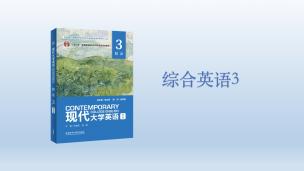
本课程精心挑选《新视野大学英语(第三版)读写教程3》中的五个单元来设计教学内容,每个单元由四大部分内容构成,即语言、文化、学习策略与情感价值观。语言部分包括课文大意、词汇学习、句型讲解、修辞手法和文本赏析等若干小节,旨在培养学习者英语综合应用能力及发现、提出与解决问题等自主学习能力;文化部分包括词句背景文化、文化拓展和中西对比文化等若干小节,旨在提升学习者文化意识和跨文化交际能力;情感价值观部分包括课文内涵道德、情感培养等若干小节,旨在帮助学习者塑造正确的人生观与价值观,增强思辨能力;学习技能方面包括阅读、写作、翻译等学习策略,旨在提高学生的策略意识及有效学习的能力。
课程特色
▪ 课程设计合理,多角度剖析课文内容,帮助学生从各个维度深化对课文的理解,扩宽思路;
▪ 课程内容丰富,既可以帮助学习者掌握语言基础知识,更注重培养学生的跨文化交际意识和自主学习能力及思维品质;
▪ 学习流程完整,学练测结合,除了视频学习,还包括课间弹题,单元小测,及期末测试,帮助学生在各环节检测知识的掌握程度。
(* 因教学需要,本课程视频中有部分资料直接引自互联网,在此对相关资料所有方表示真诚感谢!若资料涉及版权问题,还请联系课程团队予以妥善解决。)
主讲专家
周晓玲 ,广西师范大学教授、外国语学院副院长,硕士生导师。多年来,周晓玲教授主抓大学英语教学工作,她是“全国大学英语教学改革示范点单位”的主要建设者、省级“大学英语精品课程”主讲人、省级“大学英语优秀教学团队”的主要成员,也是国家级“大学素质教育优秀通选课”的主讲成员。曾获广西师范大学校级“教学名师”、“教学能手”和“巾帼十佳”称号。周老师从事大学英语教学30余年,在外语教师心理学、学生学习心理学、智慧教学、翻转课堂以及课堂内涵建设方面建树颇丰。曾两次校级教学成果特等奖、三次主持省级教改重点课题,两次荣获省级教学成果二等奖、荣获“广西高校信息化教学论文竞赛”一等奖及“全国多媒体教学软件比赛”一等奖等。
课程目录
Unit 1 The Way to Success
1.1 A Tour of British Public School
1.2 Sandra Day O'Connor
1.3 Never, Ever Give Up!
1.4 Winston Churchill at the Darkest Hour
1.5 Words Related to Success
1.6 Parallelism
1.7 How to Write an Example Essay
1.8 Discussion
1.9 Unit TestUnit 2 Beat Your Fear
2.1 The Mediteraanean Sea and Life Saving Class in American School
2.2 How Fear Could Be Conquered Through Helping Others in Danger
2.3 Symptoms of Fear
2.4 English Adverbial Modifier
2.5 Reading Skills -- Making Inferences
2.6 How to Plot a Story
2.7 Be Free from the Grip of Fear
2.8 Discussion
2.9 Unit Test Unit 3 Life Stories
3.1 UNICEF and UNICEF Ambassador of Goodwill
3.2 Audrey Hepburn ― A True Angel in This World
3.3 How to Guess the Meaning of Unfamiliar Words
3.4 Different Ways to Express Changes
3.5 How to Distinguish Between Facts and Opinions
3.6 A Timeless Fashion
3.7 Inner Beauty
3.8 Discussion
3.9 Unit TestUnit 4 Let's Go
4.1 Words Related to Travel
4.2 Reading with Your Background Knowledge
4.3 Travel and Creativity
4.4 The Left Bank Café
4.5 Machu Picchu
4.6 Why Do We Travel
4.7 Develop A Cause-and-Effect...
4.8 Discussion
4.9 Unit TestUnit 5 When Work Is A Pleasure
5.1The Glamour of Words (1)
5.2 The Glamour of Words (2)
5.3 A World Without Bosses
5.4 When Work Takes Over Life
5.5 A Contrast Essay on Differences Between Workers and Laborers
5.6 Occupations in the Future
5.7 A Sketch of Medieval Aristocracy's Lifestyle
5.8 Discussion
4.9 Unit TestFinal Test








 您确定给 “0” 位老师发送协议吗?

