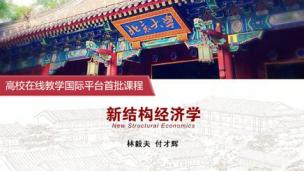
This course will teach, in part, about this paradigm revolution to neoclassical economics; the specific content of this introduction to new structural economics will include (1) a brief overview of the economic histories of China and the world, as well as the diversity of their economic structures, and the complexity of economic systems, (2) a brief history of economic theories and the origins and development of new structural economics, and (3) the basic principles of new structural economics and the discipline’s sub-fields.
【授课老师】
林毅夫 教授
Professor Justin Yifu Lin
林毅夫,北京大学新结构经济学研究院教授、院长,南南合作与发展学院院长,国家发展研究院名誉院长。林毅夫于 1986 年获得美国芝加哥大学经济学博士学位,荣膺英国科学院外籍院士、发展中国家科学院(原名第三世界科学院)院士,并获得法国奥佛涅大学、美国福特汉姆大学、英国诺丁汉大学、香港城市大学、英国伦敦经济学院和香港科技大学的荣誉博士学位。1994 年创立北京大学中国经济研究中心(现北京大学国家发展研究院),并担任主任一职。2008 年被任命为世界银行首席经济学家兼负责发展经济学的高级副行长,成为担此要职的发展中国家第一人,2012 年任满返回北大,继续教学研究工作。现任中国政协常委、经济委员会副主任,国务院参事,国家“十三五”、“十四五”规划专家委员会副主席、“一带一路”国际合作高峰论坛国际咨询委员会主席。著有二十余册新结构经济学著作,并在国内外学术期刊发表 100 多篇论文。
Professor Justin Yifu Lin is the dean of Peking University’s Institute of New Structural Economics, the dean of the Institute of South–South Cooperation and Development, and the honorary dean of the National School of Development. He received a Ph.D. in economics from the University of Chicago in 1986, and he has the honor of being a foreign member of the British Academy of Sciences and a member of the World Academy of Sciences. Lin has also received honorary doctorate degrees from Clermont Auvergne University, Fordham University, the University of Nottingham, the City University of Hong Kong, the London School of Economics and Political Science, and Hong Kong University of Science and Technology. In 1994, he established Peking University’s China Center for Economic Research (now the National School of Development at Peking University) and served as its director. In 2008, he was appointed as the World Bank’s chief economist and the senior vice president in charge of development economics, becoming the first person from a developing country to hold these positions. After his tenure expired in 2012, Lin returned to Peking University, where he continued his teaching and research activities He currently serves as a standing committee member of the CPPCC and is the deputy director of its Economic Committee. In addition, he is a counselor of the State Council, the vice chairman of the Expert Committee for the 13th and 14th five-year plans, and the chairman of the International Advisory Committee for the “Belt and Road” Forum for International Cooperation. Lin has authored more than 20 books on new structural economics and published more than 100 papers in domestic and foreign academic journals.
付才辉 研究员
Researcher Caihui Fu
付才辉,北京大学新结构经济学研究院研究员,教材课程与报告案例研发中心主任。2014年起协助林毅夫教授创办北京大学新结构经济学研究中心(现新结构经济学研究院),开展新结构经济学的学科建设与智库建设工作。 与林毅夫教授合著有首部新结构经济学教材《新结构经济学导论》与《解读世界经济发展》等多部新结构经济学学术著作。每年春季学期在北京大学开设“新结构经济学导论”公共课程、秋季学期在清华大学开设“新结构经济学分析”通识课程。
Caihui Fu is a researcher at Peking University’s Institute of New Structural Economics, and he is the director of the Research Center for Textbooks, Case Studies and Flagship Reports. Since 2014, he has been helping Professor Lin to establish Peking University’s Institute of New Structural Economics, develop the discipline and create think tank for the field. Along with Professor Lin, Fu co-authored the first textbooks on new structural economics, Introduction to New Structural Economics and Understanding World Economic Development, among many other academic texts on the theory. In addition, he leads a common required “Introduction to New Structural Economics” course every spring semester at Peking University. Likewise, he leads a core “New Structural Economics Analysis” course every fall semester at Tsinghua University.
【课程特色】
(1)英语学习和课程思政相结合。随着“一带一路"倡议的提出与实施,我国与沿线国家的交往日益频繁,迫切需要了解各个国家的情况,了解各国的人民及其文化,在这样的背景下,课程团队把英语学习和课程思政很好的结合在一起,把思想政治教育内化为课程内容。讲好中国故事,培养学习者的“中国情怀”,坚持立德树人。课程通过深入剖析,为学习者展示了一幅幅多姿多彩的不同国家风情,伴随学习者去认识世界、走向世界。(2)实用性、文化性、趣味性相融合。课程内容以“一带一路”国别研究为启发,以讲述相关国家社会文化内容为线索,以培养学习者批判性思维和跨文化交际能力为目标,以英语学习为落脚点,课程具有学科优势,课程设计体现了实用性、文化性和趣味性相融合的原则。 通过课程学习,学习者能了解这些国家深层次的文化传统和价值观念,同时在学习文化中提高英语水平和跨文化交际能力。(3)中英文双语为教学手段,文化交流与英语学习双重收获。国内涉及“一带一路”国家文化的外语课程并不多。课林用中英文双语结合的方式,达到文化交流与英语学习双重收获, 增强课程的功能性。
【主讲团队】
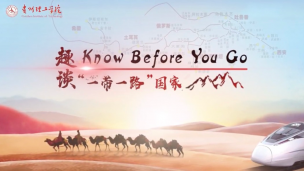
冯建平:贵州理工学院外国语学院教授,校级优秀教师,荣获校级“五一巾帼标兵”称号。研究方向为英语教学,英语翻译。带领团队录制的课程《Know Before You Go: 趣谈“一带一路”国家》于2020年11月被教育部评为国家级线上一流课程。主持和参与各级各类项目10余项。
【课程目录】
Unit 1 How to Build Your Future
Unit 2 Make a Career Choice When You Are Undecided
Unit 3 How to Write a Job Application Letter
Unit 4 How to Build a Resume in 7 Easy Steps
Unit 5 How to Have a Good Job Interview
Unit 6 Tips for Choosing the Best Color to Wear for Interview
Unit 7 How to Make a Public Speech
Unit 8 How to Write a Professional Email
Unit 9 How to Quit a Job
Unit 10 How to Practice Self Care
Unit 11 Your Teaching Philosophy
Unit 12 Classroom Management Structure
课程大纲
Chapter 1 Marketing Basics
Unit 1 What is Marketing and Marketing Process
Unit 2 Customer Needs
Unit 3 The Changing Marketing Landscape
Chapter 2 Company and Marketing Strategy
Unit 4 Marketing Mix
Unit 5 Marketing Strategy
Unit 6 Business Portfolio and BCG
Chapter 3 Analysing the Marketing Environment
Unit 7 SWOT Analysis
Unit 8 The Macroenvironment and Microenvironment
Chapter 4 Managing Marketing Information to Gain Customer Insights.
Unit 9 Marketing Research
Unit 10 Marketing Information and Customer Insights
Chapter 5 Understanding Customers and Buyer Behaviour
Unit 11 The Buyer Decision Process
Unit 12 Consumer Markets and Consumer Buyer Behaviour
Unit 13 Business Market and Business Buyer Behaviour
Chapter 6 Designing a Customer-Driven Marketing Strategy
Unit 14 Market Segmentation
Unit 15 Market Targeting
Unit 16 Customer Loyalty
Chapter 7 Products, Services & Brands
Unit 17 Product and Service Decisions
Unit 18 Product Mix and Product Line Decisions
Unit 19 Branding Strategy: Building Strong Brands
Chapter 8 New Product Development and Product Life-Cycle Strategies
Unit 20 New Product Development Process
Unit 21 Product Life-Cycle Strategies
Chapter 9 Pricing Issues
Unit 22 Definition of Price and Major Pricing Strategies
Unit 23 Other Considerations Affecting Price Decisions
Chapter 10 Marketing Channels: Delivering Customer Value
Unit 24 Supply Chains and Marketing Channels
Unit 25 Retailing and Wholesaling
Chapter 11 Engaging Customers
Unit 26 Media Strategy
Unit 27 Public Relations
Unit 28 Customer Relationship Management
Chapter 12 Personal Selling and Sales Promotion
Unit 29 Personal Selling and Managing the Sales force
Unit 30 Sales Promotion
Chapter 13 Direct, Online, Social Media & Mobile Marketing
Unit 31 Buzz Marketing
Unit 32 Digital and Social Media Marketing
Chapter 14 Marketing Budget and Legal Aspects
Unit 33 Marketing Budget
Unit 34 Legal Aspects of Marketing
Chapter 15 The Global Marketplace
Unit 35 Global Marketing and Its Environment
Unit 36 Decision on Global Marketing Issues
Chapter 16 Sustainable Marketing: Social Responsibility and Ethics
Unit 37 Market Ethics
Unit 38 Sustainable Marketing










 您确定给 “0” 位老师发送协议吗?

