新结构经济学总纲部分讲授新结构经济学对新古典经济学的结构革命;新结构经济学导论部分讲授的具体内容包括:中国与世界的经济简史及其经济结构安排多样性与经济系统复杂性概览,经济思想简史与新结构经济学的来龙去脉,新结构经济学基本原理与新结构经济学各子领域。
This course offers a systematic presentation of the principles, theories and methods of new structural economics in the style of a general education course. It will mainly cover the structural paradigm revolution about new structural economics, as well as its theoretical systems and its practical applications. The course is divided into two sections and 23 lectures (three lectures in General Principles of New Structural Economics and 20 lectures in Introduction to New Structural Economics).
This course will teach, in part, about this paradigm revolution to neoclassical economics; the specific content of this introduction to new structural economics will include (1) a brief overview of the economic histories of China and the world, as well as the diversity of their economic structures, and the complexity of economic systems, (2) a brief history of economic theories and the origins and development of new structural economics, and (3) the basic principles of new structural economics and the discipline’s sub-fields.
【授课老师】
林毅夫 教授
Professor Justin Yifu Lin
林毅夫,北京大学新结构经济学研究院教授、院长,南南合作与发展学院院长,国家发展研究院名誉院长。林毅夫于 1986 年获得美国芝加哥大学经济学博士学位,荣膺英国科学院外籍院士、发展中国家科学院(原名第三世界科学院)院士,并获得法国奥佛涅大学、美国福特汉姆大学、英国诺丁汉大学、香港城市大学、英国伦敦经济学院和香港科技大学的荣誉博士学位。1994 年创立北京大学中国经济研究中心(现北京大学国家发展研究院),并担任主任一职。2008 年被任命为世界银行首席经济学家兼负责发展经济学的高级副行长,成为担此要职的发展中国家第一人,2012 年任满返回北大,继续教学研究工作。现任中国政协常委、经济委员会副主任,国务院参事,国家“十三五”、“十四五”规划专家委员会副主席、“一带一路”国际合作高峰论坛国际咨询委员会主席。著有二十余册新结构经济学著作,并在国内外学术期刊发表 100 多篇论文。
Professor Justin Yifu Lin is the dean of Peking University’s Institute of New Structural Economics, the dean of the Institute of South–South Cooperation and Development, and the honorary dean of the National School of Development. He received a Ph.D. in economics from the University of Chicago in 1986, and he has the honor of being a foreign member of the British Academy of Sciences and a member of the World Academy of Sciences. Lin has also received honorary doctorate degrees from Clermont Auvergne University, Fordham University, the University of Nottingham, the City University of Hong Kong, the London School of Economics and Political Science, and Hong Kong University of Science and Technology. In 1994, he established Peking University’s China Center for Economic Research (now the National School of Development at Peking University) and served as its director. In 2008, he was appointed as the World Bank’s chief economist and the senior vice president in charge of development economics, becoming the first person from a developing country to hold these positions. After his tenure expired in 2012, Lin returned to Peking University, where he continued his teaching and research activities He currently serves as a standing committee member of the CPPCC and is the deputy director of its Economic Committee. In addition, he is a counselor of the State Council, the vice chairman of the Expert Committee for the 13th and 14th five-year plans, and the chairman of the International Advisory Committee for the “Belt and Road” Forum for International Cooperation. Lin has authored more than 20 books on new structural economics and published more than 100 papers in domestic and foreign academic journals.
付才辉 研究员
Researcher Caihui Fu
付才辉,北京大学新结构经济学研究院研究员,教材课程与报告案例研发中心主任。2014年起协助林毅夫教授创办北京大学新结构经济学研究中心(现新结构经济学研究院),开展新结构经济学的学科建设与智库建设工作。 与林毅夫教授合著有首部新结构经济学教材《新结构经济学导论》与《解读世界经济发展》等多部新结构经济学学术著作。每年春季学期在北京大学开设“新结构经济学导论”公共课程、秋季学期在清华大学开设“新结构经济学分析”通识课程。
Caihui Fu is a researcher at Peking University’s Institute of New Structural Economics, and he is the director of the Research Center for Textbooks, Case Studies and Flagship Reports. Since 2014, he has been helping Professor Lin to establish Peking University’s Institute of New Structural Economics, develop the discipline and create think tank for the field. Along with Professor Lin, Fu co-authored the first textbooks on new structural economics, Introduction to New Structural Economics and Understanding World Economic Development, among many other academic texts on the theory. In addition, he leads a common required “Introduction to New Structural Economics” course every spring semester at Peking University. Likewise, he leads a core “New Structural Economics Analysis” course every fall semester at Tsinghua University.
“饮食文化”讨论中国人对饮食的选择和热情背后的文化成因,及饮食文化在语言、思维习惯中的体现;“面子”为学习者揭开人际交往的层层面具及其社会功能;等等。学生观照自身文化传统,探讨与中国传统文化异同,并探索求同存异之道。
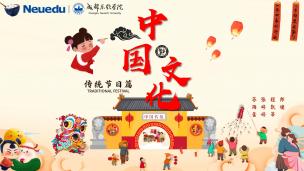
Traditional Chinese culture and the contemporary world (Lan GUO)
This section includes food culture, “face” and social contact, architecture and fengshui by examining the material and the intangible heritage of Chinese culture. “Food culture” embarks on a quest for the cultural explanation of people’s preference for food, and delves into its impact on the Chinese language and the Chinese way of thinking. “Face and social contact” sheds light on the manifold meanings of “face” and their functions in social network. “Architecture and Fengshui” probes into the Chinese approach to man-nature relationship, and explores the dynamics between architecture, poetry and literature. Students are expected to introduce their own traditional cultures so that cross-cultural comparison can be made in class, and mutual understanding achieved.
中国电影的跨文化传播(杨静)
结合电影发展史,讨论当代中国电影业在体制、美学、体裁等层面的变革,选取有影响力的代表作品,讨论其对传统的承继与改革,对好莱坞的借鉴与创新,以及在银幕上建构的新型国族形象,探讨中国电影走向世界的有效路径;这一专题旨在帮助学生通过精选的代表作品了解中国电影的过去与现在,知晓中国电影产业的体系和美学的发展,以及如何向世界推广中国电影文化。
Cross-cultural Communication of Chinese Cinema (Jing YANG)
In view of the historical development of Chinese cinema, contemporary Chinese films manage to address to the world by re-structuring the conventional narrative paradigm, adopting Hollywood tales and genres, and constructing a new China image for global audiences. This section aims to help students understand the past and present of Chinese cinema through selected masterpieces, the systematic and aesthetic transformation of Chinese film industry, as well as the methods and strategies of promoting Chinese film culture to the world.
中国文学与世界文学(蒋竹雨)
翻译中的中国古代文学,例如古代诗歌的翻译实践及其翻译思想的比较与评鉴;文学批评思潮中的中国角度及其与西方文学评论的对话;西方文学文化作品中中国形象的建构与改变等。探讨如何让世界更深入更完整地了解中国文学,如何在中国文学对外传播过程中消除沟通壁垒,避免对立思维,寻求中国文学与世界文学的良性互动。
Chinese literature and world literature (Zhuyu JIANG)
To read traditional Chinese literature (especially poems) in translation; to examine the theoretical ideas behind the translating practice; to understand the Chinese perspective in conversation with western thoughts in certain streams of literary criticism; to trace how the image of China/Chinese in western literary works changes. The aim is to make Chinese literature more accessible to global readers, and to promote meaningful exchange between Chinese literature and world literature across the cultural barriers and the clichéd dichotomies during the exchanges of literary criticism.
中国语言、媒介与文化(朱红强)
介绍当代中国语境下,语言和媒介与当代文化之间的表征和互动。结合媒介和语言研究理论如:媒介修辞、媒介叙事、多模态等理论资源,阐释广告、歌曲、名人访谈、新闻报道、网络语言等多元媒介话语。引导学生了解多种媒介与文化话语分析方法、理解媒介话语和“自我”的关系、认识中国媒介在世界全球化语境中影响和特点。
Chinese language, media and culture (Hongqiang ZHU)
This section introduces the dynamic interaction between language, media and contemporary culture in China. With reference to theories of media rhetoric, media narrative and multimodality, it explores social discourses like popular songs, advertisement, celebrity interviews, news report and web communication. Students will learn how to analyze multiple media and cultural discourses, understand the relationship between media discourse and the "self", and recognize the influence of Chinese media in the global context.
教学材料:自行编辑的电子材料、PPT讲义、视频材料和电影 (数字化教材《寰球人文中国》编纂中,预计2024年出版)
教学方法: 采用“翻转课堂”的教学模式,学生在课前检索和阅读相关文献,并积极参与授课过程: ①参与以主题为基础的平台讨论。 ②以良好的书面英语分享观点。 ③课后进行广泛的阅读和电影/媒体研究。
Teaching Materials: Self-edited e-materials, PPTs, video materials and films (digital textbook Humanitarian China in the Global Era in compilation, to be published in 2024)
Teaching Methods: It adopts the “Flipped Classroom” model of teaching and learning, expecting the students to conduct the archival search and reading of relevant pieces before class, and encouraging the students: ① to participate in topic-based platform discussions and debates. ② to share their opinions in the form of well-written English. ③ to carry out extensive reading and cinema/media studies after class.
Course Assessment:
1)coursework (55%): the average score of all coursework, zero for no coursework;
2)final exam (30%);
3)video watching (10%): full mark for those watching all videos;
4)platform discussion (5%): full mark for those whose discussion is “liked” once;
The passing grade is 60. The results will be available on December 25, 2023. Wish you enjoy learning!
【课程特色】
知识模块的完整性和独立性 结合授课教师的最新研究成果,建构知识模块的完整性和独立性,让学员体验丰富的内容和学术前沿问题。
交叉学科的批评性思维培训 跨界融合英语文学、语言学和比较文化的学科传统,设置小测试、讨论区和延伸阅读资料,启发批判性思维。
【Course Feature】Independence and interdependence of knowledge modules to integrate the latest research of scholars; to construct inter/independent knowledge modules; and to provide multi-layered studies and cutting-edge research on cross-cultural communication.
Development of critical thinking via multiple academic disciplines to merge disciplines of English literature, linguistics and comparative culture; to develop critical thinking with after-class quizzes, platform discussion and comprehensive reading materials.
【教师团队】
杨静:广东外语外贸大学英语语言文化学院教授、博士生导师,香港大学博士,英国西敏斯特大学硕士,广东省外国文学学会会员。课程负责人潜心钻研中国文化产品的国际传播,主要从事比较文化和中美电影研究,主持“香港新武侠电影的文化身份研究”、“当代美国华裔电影身份政治研究”等项目,在《学术研究》、《文化研究》、Cultural Studies, Critical Arts, The Journal of Popular Culture, Literature/Film Quarterly等核心期刊发表论文30余篇;多次荣获科研奖、教学奖和先进教师等荣誉。其他更加详尽的个人履历及教科研成果信息,请参照广东外语外贸大学官网的链接https://felc.gdufs.edu.cn/info/1462/3853.htm
朱红强:澳门大学英语语言学博士,暨南大学外国语学院教授,硕士和博士生导师。主要研究方向为媒介话语、社会语言学、跨文化传播。在Visual Communication, Multilingua, Semiotica, Discourse, Context & Media,《外语教学》、《暨南学报》、《外国语言与文化》等国内、国际学术期刊发表文章近30篇;专著、译著4部;主持和完成国家级、省级、校级科研、教改项目若干。国家级一流本科专业建设点负责人,中国高教学会数字化课程资源分会理事、副秘书长等。担任国内、国际多个学术期刊和出版社Routledge的匿名审稿人。
霍胜侠:广州美术学院跨媒体艺术学院教授,香港城市大学博士。主要从事华语电影、大众文化、城市空间文化研究。出版专著《南方影像:中国电影与城市空间》。主持国家社科基金项目、教育部人文社科项目、广东省社科规划项目各一项。发表论文于《电影艺术》《北京电影学院学报》《文化研究》《社会科学研究》等学术期刊。获得中国高等院校影视学会“学会奖”、广东社会科学学术年会优秀论文等荣誉。
郭岚:广东外语外贸大学英语语言文化学院讲师,获广东外语外贸大学外国语言学与应用语言学硕士,在广东外语外贸大学任教近 20 年,多次荣获优秀教学奖和优秀本科生导师;参与两本教材的编写、多个课程建设项目。
蒋竹雨:广东外语外贸大学英语语言文化学院副教授,香港城市大学比较文学博士学位。曾获外研社“教学之星”大赛全国复赛一等奖、广东外语外贸大学第二届微课比赛语言组优秀奖和广东外语外贸大学首届课程思政教学大赛外语组一等奖等奖项;参与主持多个项目研究。









 您确定给 “0” 位老师发送协议吗?

