著有二十余册新结构经济学著作,并在国内外学术期刊发表 100 多篇论文。
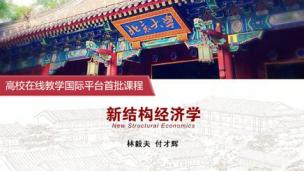
Professor Justin Yifu Lin is the dean of Peking University’s Institute of New Structural Economics, the dean of the Institute of South–South Cooperation and Development, and the honorary dean of the National School of Development. He received a Ph.D. in economics from the University of Chicago in 1986, and he has the honor of being a foreign member of the British Academy of Sciences and a member of the World Academy of Sciences. Lin has also received honorary doctorate degrees from Clermont Auvergne University, Fordham University, the University of Nottingham, the City University of Hong Kong, the London School of Economics and Political Science, and Hong Kong University of Science and Technology. In 1994, he established Peking University’s China Center for Economic Research (now the National School of Development at Peking University) and served as its director. In 2008, he was appointed as the World Bank’s chief economist and the senior vice president in charge of development economics, becoming the first person from a developing country to hold these positions. After his tenure expired in 2012, Lin returned to Peking University, where he continued his teaching and research activities He currently serves as a standing committee member of the CPPCC and is the deputy director of its Economic Committee. In addition, he is a counselor of the State Council, the vice chairman of the Expert Committee for the 13th and 14th five-year plans, and the chairman of the International Advisory Committee for the “Belt and Road” Forum for International Cooperation. Lin has authored more than 20 books on new structural economics and published more than 100 papers in domestic and foreign academic journals.
付才辉 研究员
Researcher Caihui Fu
付才辉,北京大学新结构经济学研究院研究员,教材课程与报告案例研发中心主任。2014年起协助林毅夫教授创办北京大学新结构经济学研究中心(现新结构经济学研究院),开展新结构经济学的学科建设与智库建设工作。 与林毅夫教授合著有首部新结构经济学教材《新结构经济学导论》与《解读世界经济发展》等多部新结构经济学学术著作。每年春季学期在北京大学开设“新结构经济学导论”公共课程、秋季学期在清华大学开设“新结构经济学分析”通识课程。
Caihui Fu is a researcher at Peking University’s Institute of New Structural Economics, and he is the director of the Research Center for Textbooks, Case Studies and Flagship Reports. Since 2014, he has been helping Professor Lin to establish Peking University’s Institute of New Structural Economics, develop the discipline and create think tank for the field. Along with Professor Lin, Fu co-authored the first textbooks on new structural economics, Introduction to New Structural Economics and Understanding World Economic Development, among many other academic texts on the theory. In addition, he leads a common required “Introduction to New Structural Economics” course every spring semester at Peking University. Likewise, he leads a core “New Structural Economics Analysis” course every fall semester at Tsinghua University.
著有二十余册新结构经济学著作,并在国内外学术期刊发表 100 多篇论文。
刘耀彬:博士研究生导师,南昌大学副校长。主讲生态经济学、区域经济模型与方法、区域与城市经济学等课程;主持国家社科重大、重点项目,以及国家自然科学基金项目等11项,主编应用经济学系列教材6部,出版学术专著8部;在国内外学术期刊上发表论文140余篇。邵汉华:博士,南昌大学副教授,硕士生导师,赣江青年学者。研究方向为区域经济增长与可持续发展、区域创新网络与空间计量、宏观金融与银行效率评价。主持国家社科基金项目1项,省部级课题4项。在International Review of Economics and Finance、《数量经济技术经济研究》和《科学学研究》等SSCI/CSSCI期刊发表多篇学术论文。担任SSCI期刊Emerging Markets Finance and Trade和North American Journal of Economics and Finance匿名审稿专家。于佳:北京大学新结构经济学研究院国际发展合作部主任、资深实务专家,法国国家科学院国际发展研究中心(CERDI-CNRS)发展经济学博士,北京大学法国语言文学和经济学双学士。曾在埃森哲(Accenture)咨询公司和国家电力投资集团任职,直接负责海外投资、商务谈判、政府事务和公共关系。研究领域包括中国企业走出去实证研究、工业园区诊断以及制造业、能源和矿业的国际产能合作及全球影响等。主要负责新结构经济学在实践领域的落地和推广,负责新结构经济学研究院的国际合作和国际智库项目。于佳博士目前担任亚洲开发银行(ADB)顾问,是世界能源理事会(World Energy Council)未来能源领袖中国代表,任首届全球董事会成员,发展委员会委员(2015-2017)。赵秋运:北京大学光华管理学院经济学博士,研究领域为要素收入分配和新结构经济学。曾在Sustainability,The Annals of Regional Science,China Economist和《金融研究》等国内外核心学术期刊发表论文20余篇,曾获全国经济学博士后学术论坛一等奖、谭崇台发展经济学奖学金、上海青年经济学者论坛二等奖等国内外30余奖项。近年来主持和参与了多项国家社科基金项目、博士后面上基金一等资助项目以及国家与地方政府的智库项目。
(* 版权声明:因教学需要,本课程视频中有部分资料直接引自互联网,在此对相关资料所有方表示真诚感谢!若资料涉及版权问题,还请联系课程团队予以妥善解决。)
It provides an in‑depth interpretation of the underlying logic and distinctive value of China’s whole‑process people’s democracy.
You will witness how the Hongqiao legislative outreach office in Shanghai enables voices from the grassroots to be heard directly by the national legislature. You will trace the remarkable journey of Shen Jilan, the longest‑serving deputy to the National People’s Congress, who devoted six decades to faithfully representing the people. You will learn about Chai Shanshan, a courier‑turned delegate advocating for the rights of migrant workers.
In parallel, the course explores China’s consultative democracy through the story of Li Dianbo, a village official whose proposal for “mutual-assistance model for elderly care”, was incorporated into the 14th Five‑Year Plan through consultative democracy. The course also examines how China’s non‑CPC parties collaborate in a five‑year democratic oversight program to protect the ecological environment of the Yangtze River, showcasing a distinctive model of democratic supervision within China’s democratic system.
Taken together, these stories vividly illustrate the rich connotation of whole‑process people’s democracy, revealing why China’s democracy is among the broadest, most authentic, and most effective in the world. Through continuous institutional innovation and practical exploration, this unique democratic approach not only safeguards the people’s democratic rights but also improves the efficiency and quality of national governance—offering Chinese wisdom and Chinese solutions to the advancement of human political civilization.
【课程特色】
1. 系统阐释中国式现代化,以叙事方式增强传播效能
2. 汇聚权威外语专家,构建高水平课程建设团队
3. 融入多元国际声音,增强课程亲和力与可信度
【Course Highlights】
1. Narrative-Driven Learning: Explains Chinese modernization systematically through engaging storytelling rather than dry theory.
2. Expert Team: Developed by a team of experienced language and culture experts.
3. Global Perspectives: Incorporates diverse international viewpoints to enhance relatability and credibility.
【主讲教师】
胡杰辉 电子科技大学
【Instructors】
Hu Jiehui, University of Electronic Science and Technology of China







 您确定给 “0” 位老师发送协议吗?
